Reading the Same Paragraph Again Trex Meme
A literary device is a technique a writer uses to convey ideas and messages to their readers. That means that as readers, we need to empathise and apply literary devices to fully empathize a work's major themes! Today, nosotros're going to have a closer look at how to use imagery to analyze a text. We'll first by giving y'all the imagery definition earlier talking about why information technology's an important tool for analyzing a text. Then we'll walk you lot through some imagery examples in poetry and fiction and prove yous exactly how to clarify the imagery in each. By the end of this article, you'll exist able to talk about imagery in literature similar a pro, so permit'southward get started. Have you lot ever read a volume that makes you feel like you're seeing, feeling, smelling, or tasting the aforementioned thing as the character you're reading about? (Nosotros had that feel the first time Harry Potter tries butterbeer in Hogsmeade.) If you have, you tin can thank imagery for that feel! Imagery is the act of using language to create images in the reader's listen. Writers use descriptive words and phrases to help the reader feel like they're...well, wherever the writer wants them to exist! Basically, the writer is trying to create a "mental image" for the reader through the words they choose. Hither'due south how one of the greatest horror writers of all time, Stephen Male monarch, describes imagery: Imagery does non occur on the writer'south page; it occurs in the reader'southward mind. To depict everything is to supply a photograph in words; to indicate the points which seem the almost vivid and important to you, the writer, is to allow the reader to flesh out your sketch into a portrait. In other words: you can think of imagery as painting with words in club to fuel the reader'southward imagination! An easy way to spot imagery in a text is to pay attention to words, phrases, and sentences that connect with your five senses (sight, smell, sense of taste, bear upon, and audio). That'south because writers know that in society to capture a reader'southward attention, they need to engage with them mentally, physically, and emotionally. Since imagery is designed to connect a reader to a text, it's one of the well-nigh powerful tools a writer has to communicate their themes and messages. Any fourth dimension a writer engages a reader's senses, they're using imagery...which means imagery is a actually broad literary device. In general, even so, imagery fits into two big categories: literal and figurative. With literal imagery, a writer is literally describing things to the reader. (Pretty straightforward, huh?) Writers often utilize literal imagery to depict the setting, characters, and situation for a reader. Literal imagery helps the reader flick where characters are, understand what characters are doing, and even foreshadow what might happen next. (For instance, if the graphic symbol is in a dark, dirty aisle, they're probably in a more dangerous situation than if the character is skipping through a field of daisies.) Let's accept a expect at an example of literal imagery from Michael Crichton's Jurassic Park so y'all can meet what we mean. In this scene, Dr. Alan Grant, Lex Potato, and Tim Potato are trying to hide from a tyrannosaurus king: They were closer to the waterfall now, the roar much louder. The rocks became slippery, the path muddy. There was a constant hanging mist. It was similar moving through a cloud. The path seemed to pb right into the rushing water, only every bit they came closer, they saw that information technology really went behind the waterfall. The tyrannosaur was notwithstanding looking downstream, its back turned to them. They hurried along the path to the waterfall, and had almost moved backside the sheet of falling water when Grant saw the tyrannosaur turn. Then they were completely behind the waterfall, and Grant was unable to see out through the silverish sail. At present that yous've read this passage, close your eyes and flick the scene. You're probably picturing a giant waterfall, a hungry tyrannosaurus rex, and a lot of danger, right? That's because the literal imagery in this passage paints a very specific, literal picture that helps yous imagine what'south happening in this moment! Magic, right? Not quite. Imagery works because the writer uses descriptive words and phrases to aid paint a pic. Let's accept a look at the first few lines once more and selection out some of the descriptive language that helps shape the scene: They were closer to the waterfall now, the roar much louder. The rocks became glace, the path dirty. There was a constant hanging mist. It was like moving through a cloud. These lines are almost exclusively description, and Crichton uses phrases like "rocks became slippery" and "constant hanging mist" to assistance you imagine exactly what'south happening. A good way to pick out literal imagery is to look for nouns, then run across how they're described. For instance, the substantive "waterfall" is described as having a "roar" that gets "louder" the closer the characters go! From an assay perspective, these literal images all work together to assist build the mood , or tone , of the scene. In this case, the imagery of the scene contributes to its tense and suspenseful tone. The surroundings is treacherous--non only are the rocks slick, but the characters have trouble seeing through the mist and water. I false move, and they'll be a tasty snack for a hungry dinosaur! Use this motion-picture show equally inspiration for finding connotation! (This volition all brand sense in a second.) Dissimilar literal imagery, figurative imagery uses on the non-literal--or metaphorical--pregnant of words to pigment a movie for the reader. Almost all words have 2 meanings: their denotation and connotation. The denotation of a discussion is its literal, dictionary definition. Figurative imagery, on the other hand, relies on the connotation —or implied significant—of words and phrases to help shape a text's themes and ideas. To see how figurative imagery works, let's look at the beginning line of Shakespeare's "Sonnet 130," where the speaker is describing his lady love: My mistress' eyes are zip like the sunday; Okay. Permit's zero in on the word "sun" here. According to Merriam-Webster, the literal definition of the word "sunday" is "the luminous celestial body effectually which the earth and other planets revolve, from which they receive rut and light, which is composed mainly of hydrogen and helium." But the speaker doesn't literally mean that his mistress' optics aren't like a ball of gas! So what does he mean? To effigy this out, let's expect at the figurative imagery here. Have a minute and think of some of the implied or metaphorical meanings of the word "sun." The word might make you think of warmth and happiness. Information technology likewise might make you think of other images like called-for, blazing, or fiery brightness. With this figurative imagery in mind, this line is better read equally "my mistress'due south eyes aren't brilliant, warm, or happy." Not simply does figurative imagery assistance this line brand more than sense, it also clues readers into the message of the poem: that you can recognize someone'due south faults and all the same love them and find them cute. I more quick note: because you're a savvy reader, you've probably realized that this line from Shakespeare is also a metaphor , which is a comparing between two seemingly unrelated objects (in this case, "eyes" and "sun"). Writers often use other literary devices like metaphor, simile, and personification to help create brilliant imagery for the reader. Then don't be surprised if you run across imagery overlapping with other literary techniques! Admittedly! In fact, information technology'southward quite mutual to come across writers employ literal and figurative imagery simultaneously. Take the first stanza of William Wordsworth's poem, "Daffodils": I wandered lonely as a cloud That floats on high o'er vales and hills, This stanza combines literal and figurative imagery. Literally, the images in this stanza assistance u.s. see the speaker wandering around alone until he stumbles upon a patch of daffodils that are growing by a lake. This imagery is important to agreement Wordsworth'due south poetry, which oftentimes explores the relationship between nature and human. The figurative imagery helps us learn a little more about the speaker, who's an outsider. Nosotros can infer this because of the imagery he gives us; he imagines himself as a cloud floating over everything, able to see what's going on merely unable to participate. The daffodils, on the other hand, represent society. The imagery here is happy (the daffodils are "gilded" and "dancing"), which is how the speaker views society equally someone on the outside looking in. Now that y'all know more about imagery, let's await at a poem that uses imagery to portray its major themes: "'Hope' is the matter with feathers - That perches in the soul - And sweetest - in the Gale - is heard - I've heard it in the chillest country - Imagery can make something abstruse, like an emotion or theory, seem more concrete and tangible to the reader. Past using imagery, writers can evoke the feeling they want to talk about in their readers...and by making their readers feel, writers can likewise help readers connect to the messages in their piece of work. In this example, Emily Dickinson takes the abstract idea of "hope" and compares it to a bird. Dickinson paints images of hope doing all the aforementioned things a bird does: it "perches," "sings," and keeps "so many warm" with its feathers. And despite all these gifts, hope never "asked a nibble" of anything in return. By using imagery to take an abstract thought (hope) and make it concrete (a bird), Dickinson helps readers understand the nature of hope. For Dickinson, promise is something that costs little to take and yet offers usa condolement in all of life's toughest situations. Imagery can be an every bit powerful tool for fiction writers, too. In Dracula, Bram Stoker uses imagery to drive home the horror of the novel. Let's take a look at one particularly stand-out scene, where Arthur Holmwood has to impale his quondam fiancee, Lucy Westenra, who has been turned into a vampire: The Thing in the bury writhed; and a hideous, blood-curdling screech came from the opened scarlet lips. The body shook and quivered and twisted in wild contortions; the abrupt white teeth champed together till the lips were cut, and the mouth was smeared with a cherry-red cream. But Arthur never faltered. He looked similar a figure of Thor as his untrembling arm rose and fell, driving deeper and deeper the mercy-bearing stake, whilst the claret from the pierced middle welled and spurted upwards around it. His face was set, and loftier duty seemed to shine through it; the sight of it gave us courage, so that our voices seemed to band through the little vault. Recall how we talked about how imagery can set a tone or mood? That'due south certainly the case here. Lucy is visually described not as a adult female but equally a "thing," and the "blood-curdling screech" she lets out is a dandy example of how auditory imagery--or the sound of a scene--can contribute to its overall effect. (In this example, it amps up the horror of a once-delicate Englishwoman existence transformed into a bloodthirsty beast.) It'southward the imagery associated with Lucy that shows readers how vicious and animalistic she's become, which is no surprise: she'southward joined Dracula'due south army of the undead. At present, accept a await at the imagery surrounding Arthur, Lucy'south one-time fiancee, and see how it compares to Lucy'south description. Even as he's killing Lucy, Arthur is described as "a figure of Thor"--meaning he's strong, heroic, and good with a hammer. Stoker specifically says Arthur is "untrembling" in his task; despite its grisly nature, his steadiness showcases his commitment to protecting his land from the vampire threat...even when it means driving a stake in his lover'southward middle. Additionally, his face has the "polish" of duty, which is a nod to the glowing, celestial halos of angels. Arthur's bravery and calorie-free stands in contrast to Lucy'southward nighttime, demonic nature, and Stoker specifically uses imagery to show readers how proficient can triumph over evil. These examples have shown yous how to find and analyze imagery, only yous'll have to do this all by yourself when y'all take the AP Literature examination. But don't worry--now that yous're an skillful, finding and analyzing imagery will exist a breeze! But just in case you lot become stuck, here are three questions you tin ask yourself to assistance you amend analyze imagery in literature and poetry. The hardest part almost analyzing imagery is finding information technology in the first place. Like nosotros mentioned earlier, a skilful way to practice this is to look for nouns and search for words that describe them. Then yous can beginning asking yourself if those descriptions are figurative imagery (i.e., do those words take any implied or metaphorical meaning). But when y'all're crunched for time, you can go back to the tried-and-truthful method of using your imagination. Which parts of the text made you lot picture something in your listen? Since imagery is designed to spark your imagination, in that location's a great adventure that section contains some sort of imagery! This question helps y'all go to the meat-and-potatoes of your assay really rapidly. Once you find a piece of imagery, ask yourself what it's showing yous. It could exist describing an important setting, plot point, or character. Make sure y'all're asking yourself if in that location'south figurative imagery at work, too. If you lot're struggling here, yous tin ever get dorsum to the "mental film" we talked about with the commencement question. What do you run into in that image? At that place'south a skilful chance that whatsoever you're imagining matters in some way. Once you have that epitome in your heed, you can start to ask yourself why that particular image is important. Here's what we mean: think nearly the Jurassic Park example we talked about before. The imagery there tells us some literal things about what's happening in the scene, but it as well adds to the danger and suspense of the main characters' predicament. The aforementioned tin can be said for the extract from "Daffodils," only instead of revealing a plot indicate, the imagery gives readers of import insight into the narrator of the poem. In one case you find a expert slice of imagery, enquire yourself how information technology makes you lot feel. Is it hopeful? Scary? Depressed? Angry? The feelings associated with the imagery in a work can often reveal the theme of a text. Take Emily Dickinson's poem. What feelings are associated with the imagery surrounding "hope"? Well, birds are tame and delicate, and the bird Dickinson describes sings sweetly through life's trigger-happy storms. Hope is conspicuously a reassuring, gentle, uplifting thing. By asking yourself why Dickinson thinks hope is proficient, yous can showtime to figure out some of the letters of the poem! Test out your new-found imagery chops by analyzing a verse form on your ain! We think that Dylan Thomas' "Practice not go gentle into that good night" is a great place to start. Yous tin can find the full text of the poem, likewise as boosted analysis, here. There's more to literary analysis than only knowing your way around imagery! Make sure you're familiar with the well-nigh of import literary devices, like personification, earlier you head into your AP examination. There are two parts to the AP Literature examination: the multiple pick department and the essay department. Some students worry about the written portion of the test then much that they forget to study for the multiple pick questions! Don't allow this exist your situation. Brand sure you're preparing for the whole test by reading through this guide to mastering the AP Literature exam'southward multiple choice portion, too.
 Seriously. Once you know what you're looking for, you lot'll see it everywhere!
 What Is Imagery? Definition and Explanation
The ii Types of Imagery
Literal Imagery: Examples and Explanation
Figurative Imagery: Examples and Explanation
Tin an Instance of Imagery exist Both Literal and Figurative at the Same Time?
When all at in one case I saw a oversupply,
A host, of golden daffodils;
Beside the lake, beneath the trees,
Fluttering and dancing in the breeze.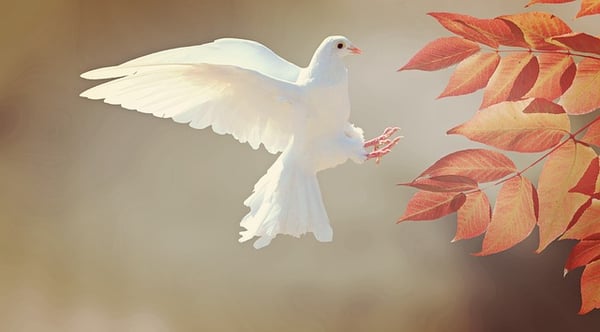
Imagery in Poetry: "Hope is the matter with feathers" by Emily Dickinson
And sings the tune without the words -
And never stops - at all -
And sore must exist the storm -
That could abash the little Bird
That kept so many warm -
And on the strangest Sea -
Yet - never - in Extremity,
It asked a nibble - of me.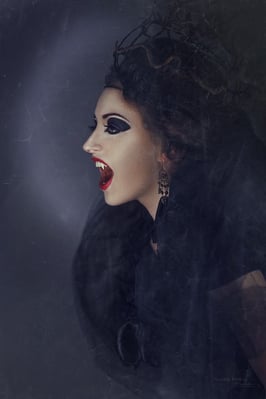
Imagery in Fiction: Dracula past Bram Stoker

3 Questions to Ask When Analyzing Imagery
Question 1: What Did I Imagine While I Was Reading?
Question 2: What Does the Imagery Reveal Nigh the Situation?
Question 3: How Does the Imagery Affect the Mood of the Text?
What'southward Next?

Ashley Sufflé Robinson has a Ph.D. in 19th Century English Literature. As a content writer for PrepScholar, Ashley is passionate about giving college-leap students the in-depth data they need to get into the school of their dreams.
Source: https://blog.prepscholar.com/what-is-imagery-definition-examples
0 Response to "Reading the Same Paragraph Again Trex Meme"
Post a Comment